What are tents made of, you ask?
Well, there are plenty of materials available, and it can be helpful to know the differences when planning an event with a commercial tent. All have different qualities, and all serve different functions suited for various applications.
Here are the 7 most common types of tent fabrics, starting with the materials most often used for commercial and event tents.
1. Laminated Vinyl

Laminated vinyl is exactly what it sounds like - vinyl covered in a laminate. The scrim is placed between layers of PVC film then fused together in a laminating machine through heat and pressure. This lamination process increases material weight, UV protection, abrasion resistance, and glossiness. It is fire retardant, water-resistant, and is less costly than coated vinyl.
Because of these incredible qualities, laminated vinyl is the most common material you will see used at American Tent.
We use USA-made vinyl because it’s built to perform consistently in real-world conditions:
- 1000 denier fabric: among the strongest in its class, typically around 15% stronger than lower-denier imported materials
- Sourced from ISO-certified suppliers: ensuring consistent quality and compliance with fire standards across all 50 states
- Superior UV resistance: helps prevent cracking and breakdown over time, lasting up to 3x longer than many imported fabrics
2. Coated Vinyl

Vinyl is probably the most commonly used commercial tent material. Coated vinyl results from dip molding, which forms the protective layer over the vinyl with corrosion resistance and greater stability. Vinyl is most often coated in either PVC or PE. It is a waterproof option making it ideal for tents to stand strong through inclement weather. While coated vinyl is a pricier option, it can be worth it if your tent will be exposed to the outdoor elements for the long term.
3. Cotton Canvas

While cotton canvas was relevant years ago, it is far less common to find this material being used in commercial tents today. Cotton is natural and more environmentally friendly than other synthetic materials. The thickness of the cotton creates insulation against outside sounds; however, untreated cotton is not weather resistant, requiring additional precautions. Untreated cotton is a dense, heavy option that can make your set-up and transportation process a bit more difficult than lighter fabrics, but if that is not an issue for you, then the rustic charm of the cotton canvas could do the trick.
4. Coated Cotton

Coated cotton, also known as polycotton, has a lot of the same qualities as regular cotton. It is thick and durable, with added insulation and waterproofing capabilities from the coating. Woven cotton is coated with a protective layer either during the creation of this material or afterward. This is a heavy-duty tent fabric, making it much heavier (like untreated cotton) and, though the coating offers weather protection, it is still less water-resistant than other options.
5. Nylon
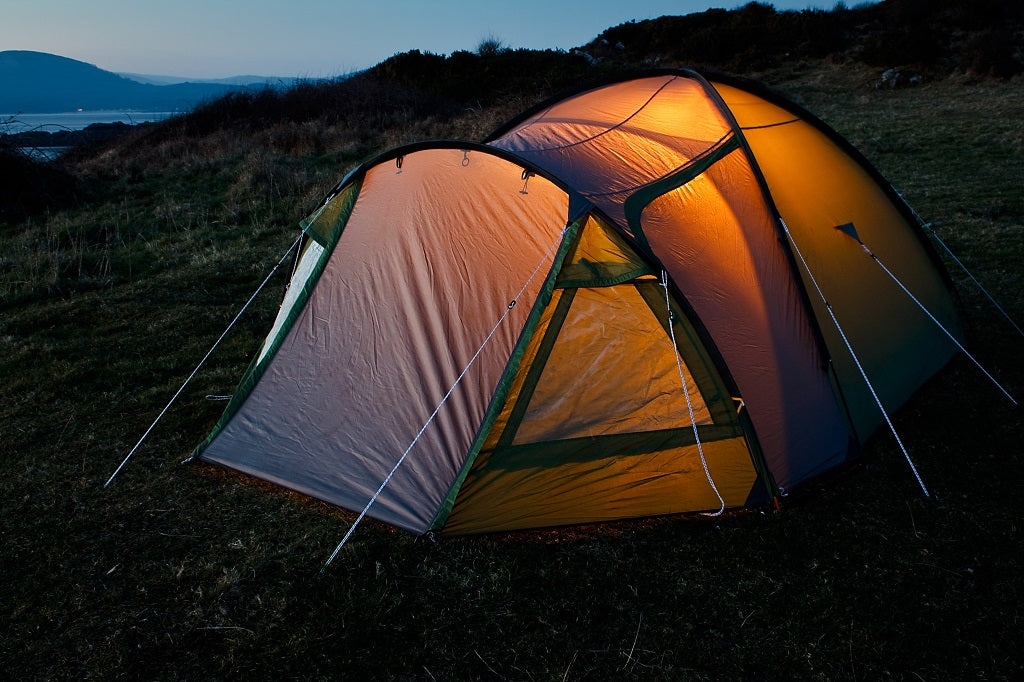
Nylon is a lightweight fabric popular for backpacking tents. While nylon can be susceptible to rips from wind and debris, backpacking tents are small enough to maintain strength. Nylon offers enough stretch to allow for stress distribution on the small tent panel, making it less likely to tear. Overall, nylon is a good material for small tents or camping tents but is not a strong choice for larger commercial tents or professional event use.
6. Polyester (PVC)

Like nylon, polyester has a slight stretch; however, it is a stronger material. This strengthened ability to stretch makes it more resistant to the outdoor elements. While polyester is relatively durable, you will still want to think about waterproofing and thread count options based on your planned use. Luckily, these setbacks can easily be solved by coating polyester in PVC (also known as polyvinyl chloride), a protective layer that increases the tent’s protective capabilities.
Polyester coated in PVC can work for lighter-duty event use, but may not offer the long-term durability needed for rental companies or frequent setups.
7. Ripstop PVC

Ripstop PVC is sometimes used in commercial tents because of its reinforced scrim pattern, which helps limit tearing if damage occurs. This added structure can make it a durable option for certain applications.
However, for most event and rental use, overall fabric construction, coating quality, and long-term weather resistance tend to matter more than tear resistance alone. Materials that can handle repeated setup, exposure to the elements, and regular cleaning are typically preferred in professional settings.
Additionally, PVC coatings increase weather resistance and create a smooth, sealed finish compared to polyethylene (PE), which is lighter weight but generally offers less UV protection and long-term durability. While PE is considered a more environmentally friendly plastic, it is more commonly found in lighter-duty applications.
Which Fabric Is Better For Your Tent?

It is important to do your research when thinking about what material will best suit your tent needs. The lifespan of tents can depend on the materials used to create them, so knowing the options can be crucial! If you are looking for a good backpacking tent fabric, nylon will be just fine!
However, if you are looking for a commercial-sized tent, you will want stronger material for its larger size. Though strong, uncoated fabric, like cotton canvas, is more susceptible to weather damage. So, if you need your tent to withstand wind and rain, you are definitely going to be best off choosing a coated or laminated material.
At American Tent, we use laminated vinyl because it offers a strong balance of performance and longevity. With high-denier fabric for 15% added strength, consistent quality from trusted suppliers, and enhanced UV resistance to help prevent premature wear by 3x, it’s a material designed to hold up over time. It’s a practical choice for businesses and events that rely on their tents to perform again and again.
How To Take Care Of Your Tent Fabric?

Of course, you want to keep your tent in tip-top shape. Make sure you save the box in which your tent came for easy and safe storage later on. At American Tent, we send tents in a special bag for this very purpose!
When you are setting up your tent, lay down a drop cloth to avoid rips from dragging on the ground. Once your tent is up, check the panels for any pinholes or snags. If you notice one, don’t fret! American Tent will send a free patch kit for any blemishes that catch your eye.
Keep your event tent fabric looking meticulous by keeping it clean. Lay your tent down on the dropcloth to brush off dirt and debris, and then simply hose it off! You can create a DIY cleaning solution by mixing four parts warm water, one part vinegar, and light soap as needed.
To keep your tent performing at its best, use PinGuards as a protective barrier between metal fittings and the tent top. Like any fabric, prolonged exposure to the elements and repeated friction can lead to wear over time, especially during long-term installations or in windy conditions. If you want to keep your tent looking and performing its best for longer, PinGuards are a simple, effective solution.
When your tent is out of commission for a period of time, roll it up like a sleeping bag to slide right back into the protective bag in which it arrived — easy as that! Make sure your tent is completely dry before putting it away for safekeeping, and you are sure to see positive impacts on the longevity of your tent fabric.
Why Choose American Tent?
Quality is of utmost importance when you invest in an event tent. The materials used for your tent will determine how well your tent works, how it looks, and how long you will be able to use it for events. We use the highest-quality fabrics to ensure our party tents are the perfect choice for whatever event you are planning.
-
The Strongest Fabric in its Class: 16 oz, 1000-denier blockout vinyl delivers a thick, durable material that blocks light for a clean, polished finish and holds up all season long
-
Lasts up to 3x Longer than Imported Fabrics: UV-resistant material helps prevent cracking and breakdown over time
-
Fire Compliance in all 50 States: Meets NFPA 701-2 and California Fire Marshal standards for added peace of mind at your events
Buying your event tent from American Tent means you will be getting a high-quality tent that will last years, and you will be able to work with our team to find or create your perfect, custom event tent.
What Are Tents Made Of? Choosing the Right Material for Your Needs

Now that you know more about what a tent is made of, you’ll want to keep your options in mind when purchasing for your next event. If you want to know more about the material offered by American Tent, visit our website and get in touch with us by calling 920-431-0938! We can send a Sample Material Kit of our vinyl, colors, graphics, and finishes so you can see for yourself!
P.S. Stay tuned...American Tent will be offering more options soon!